
Remote Marine Engine Monitoring with LYNC
What Is Remote Marine Engine Monitoring?
Remote marine engine monitoring is a system of on-board sensors, displays, and connected software that continuously tracks the health and performance of a vessel’s engines and transmits that data off the boat in real time. Instead of waiting for a crew member to log readings by hand or discovering a problem after it causes downtime, operators and shore-side teams can see exactly how an engine is running from a phone, tablet, or computer – anytime and anywhere.
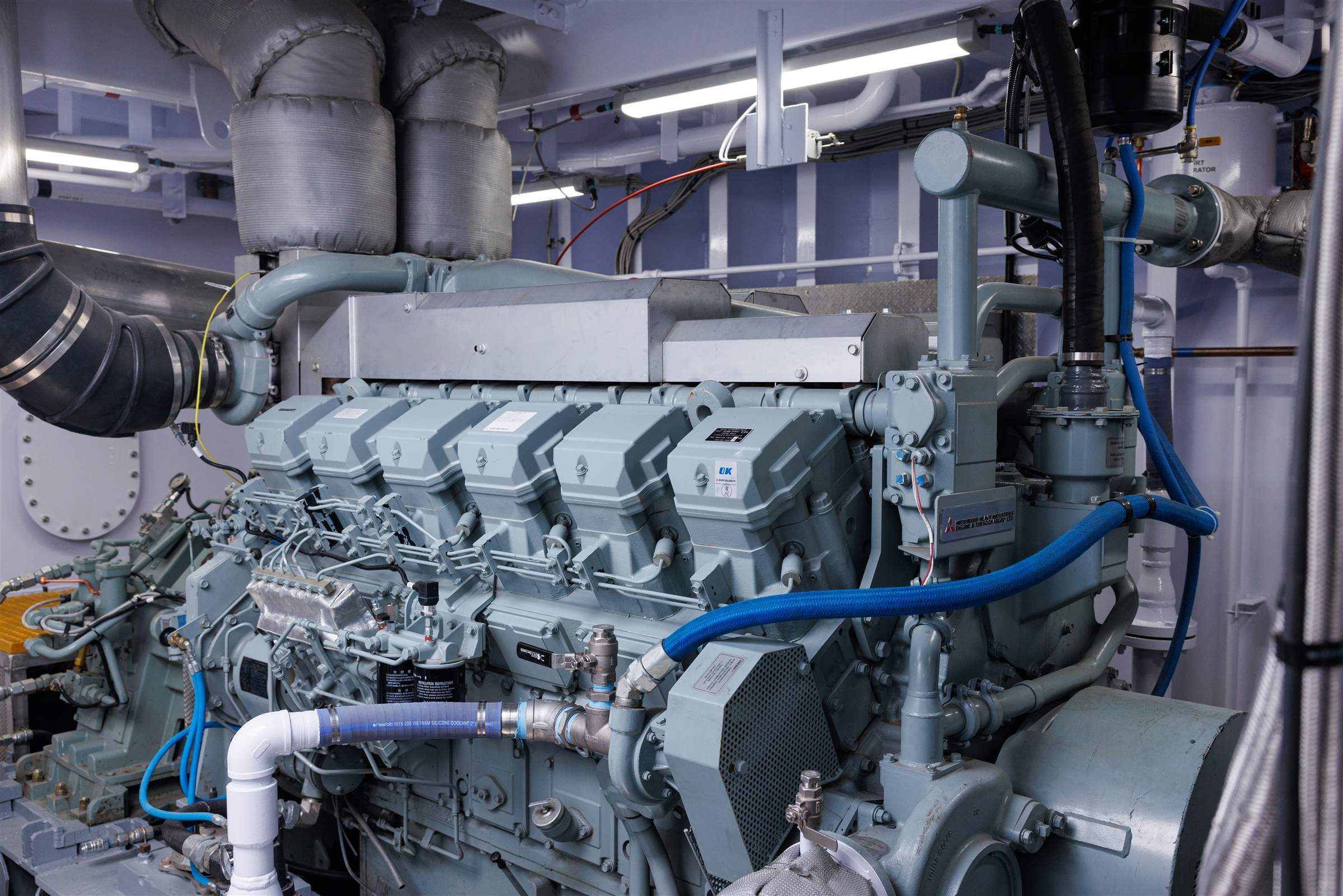
LYNC is Laborde Products’ remote engine monitoring platform, purpose-built for Mitsubishi marine engines. It pairs an in-house-designed on-vessel interface with a cloud-based dashboard, giving crews straightforward engine data at the helm and giving fleet managers the same data, plus historical trends and reporting straight from the office.
How Does Remote Monitoring Work on a Boat?
LYNC installs directly on the vessel, reading data from the engine’s existing sensors and instrumentation. That data feeds into an on-board panel that is configurable as an electric display, an electronic/mechanical gage combination, or a mechanical panel paired with a remote monitoring box in the engine room, so your crew has clear and straightforward readings without having to leave the wheelhouse or engine space.
At the same time, LYNC transmits that engine data to a secure online platform, where it’s organized into real-time dashboards, historical charts, and automated reports. This is what separates remote engine monitoring systems from a standard gauge panel: the data doesn’t stay on the boat. It becomes something a captain, engineer, or shore-side manager can act on immediately, and something Laborde’s team can use to recommend maintenance before a minor issue becomes a major repair.
Two things LYNC does with the data:
Engine Health Management & Utilization Analysis (Smart Reporting): Automated reporting manages engine health and utilization trends, comparing performance against benchmarks to identify patterns and support data-driven decisions.
Expert Recommendations for Informed Maintenance Decisions: Laborde Products’ industry expertise can help guide your maintenance strategy, with tailored recommendations based on data analysis to maximize equipment reliability and longevity.
Remote monitoring gives you real-time insight into engine performance, so you can plan maintenance before issues turn into downtown.
What Data Can Be Tracked with Remote Marine Engine Monitoring?
LYNC monitors a comprehensive range of engine parameters, giving crews and managers precise oversight of engine conditions in real-time.
Tracked data includes:
- Engine RPM
- Engine Hours
- Main Jacket Coolant Temperature
- Aftercooler Coolant Temperature
- Oil Pressure
- Exhaust Temperature
- Boost Pressure
- Inlet Air Restriction
- Fuel Consumption
- Gear Oil Pressure
On-vessel panel options:
- Electric Displays – Engine Room and Wheelhouse
- Electronic/Mechanical Gauge Panel Combination
- Mechanical Panels Only (with remote monitoring device in the engine room)
This means diesel engine remote monitoring with LYNC isn’t a one-size-fits-all install. Panel configuration and monitored parameters can be tailored to how a vessel operates.
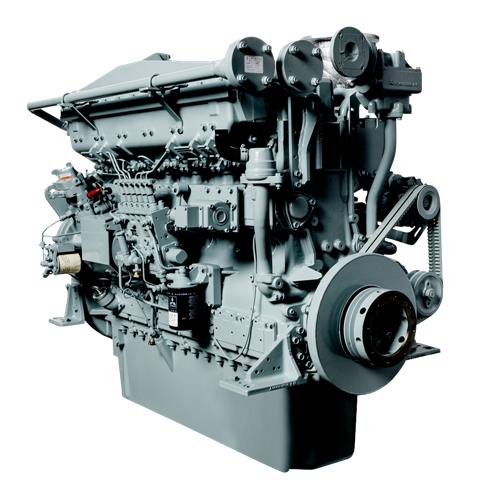
The engine didn’t change. The visibility did.
See what’s really happening on board with LYNC remote engine monitoring from Laborde Products.
