Marine power systems take a beating. Salt, heat, vibration, long hours and hard use all wear on a vessel’s equipment. So when something fails or starts showing its age, operators have to make a practical decision: buy new, rebuild what they have or look at remanufactured marine power parts.
For a lot of working vessels, remanufactured parts can be a smart middle ground. Across the marine power systems market, operators are looking for ways to keep older equipment running without forcing the cost or lead time of brand-new components. But quality matters. A true remanufactured part is not just cleaned up and put back in a box. It should be inspected, repaired, reassembled, tested and backed by the right support.
Here is what operators should know before choosing remanufactured marine power engine parts.
What Is a Remanufactured Engine Assembly?
Marine power systems rely on major engine components that have to stand up to demanding commercial service.
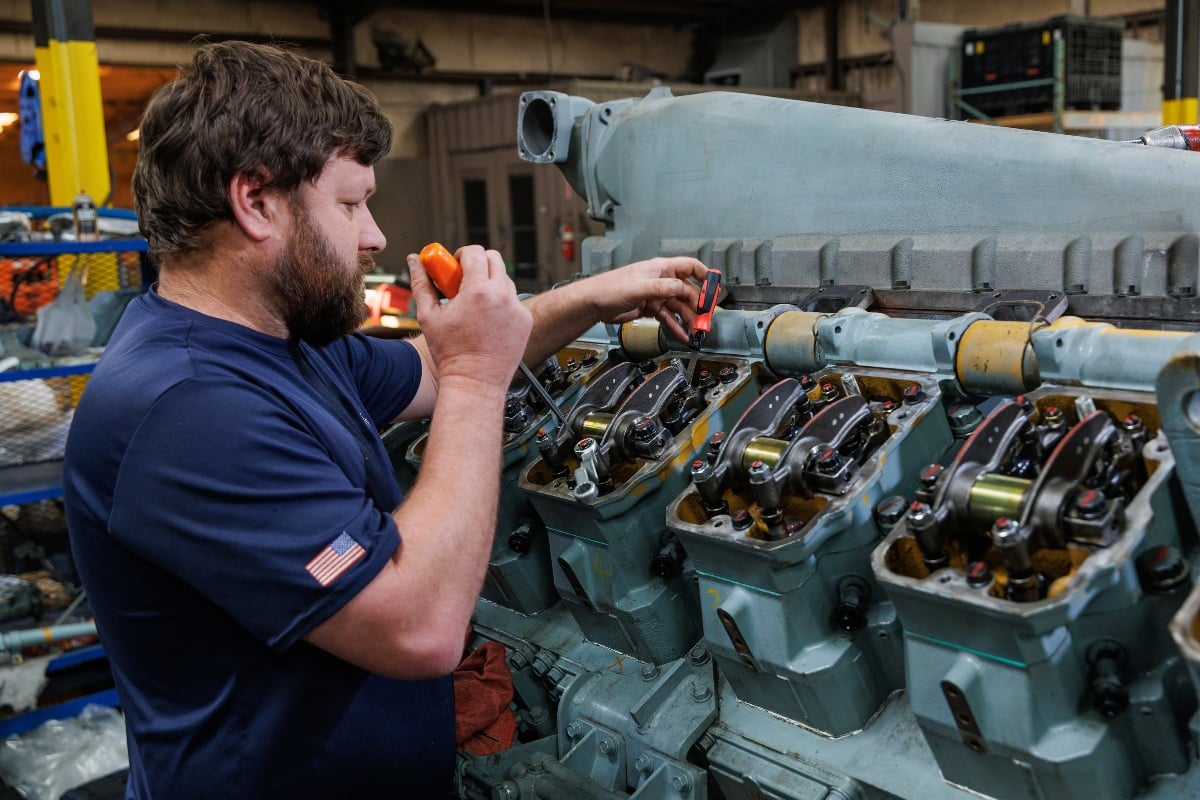
A remanufactured engine assembly is a used engine or major engine assembly that has been completely disassembled, cleaned, inspected, repaired and rebuilt before being tested for service. Worn or damaged components are replaced, reusable components are carefully evaluated, and the assembly is reassembled to provide dependable performance.
That process is what separates remanufactured equipment from a simple repair. The goal is not to make an old engine look better. It is to restore it to reliable working condition so it can continue supporting the vessel without creating unnecessary downtime.
For marine engine maintenance, that difference matters. Operators need dependable parts and assemblies that are ready for the job, especially when downtime affects schedules, crews and revenue.
Is Remanufactured Better Than Rebuilt?
Marine power systems do not leave much room for shortcuts, so the words matter.
“Remanufactured” and “rebuilt” are often used like they mean the same thing, but they are not always equal. A rebuilt part may be repaired enough to work again. A remanufactured part should go through a more complete process that includes disassembly, cleaning, inspection, replacement of worn components, reassembly and testing.
That does not mean every remanufactured part is automatically better than every rebuilt part. The provider matters. The process matters. The testing matters. A well-done rebuild from a trusted shop can beat a poor remanufacturing job from an unknown source.
But when the remanufacturing process is done right, operators get a more complete approach. That can make remanufactured parts a strong option for vessels that need reliable marine power parts without the cost of buying new every time.
Is It a Good Idea to Buy a Remanufactured Engine?
Marine power systems can benefit from remanufactured equipment when operators buy from the right source.
A remanufactured engine or engine assembly may make sense when the vessel still has plenty of service life, the existing setup works for the job and the operator wants to control maintenance costs without cutting corners. This can be especially useful when new marine engine parts are expensive, hard to source or tied up in long lead times.
Remanufactured parts can also help support older vessels. As engine models age, some new parts become harder to find. A quality remanufactured option can keep dependable equipment in service instead of forcing a larger replacement before it is truly needed.
The key is to avoid bargain hunting for the cheapest option. Marine engine maintenance is already expensive enough without adding repeat failures. Operators should look for testing, warranty coverage, parts availability and technical support before making the call.
What Parts Come With a Remanufactured Engine?
Marine power systems vary by vessel, engine model and application, so the exact parts included can change.
A remanufactured engine assembly may include major internal and external components, but operators should never assume what comes in the package. One provider may include more supporting parts than another. Some assemblies may come as long blocks, short blocks or more complete engine packages, depending on the application and the supplier.
Before buying, operators should ask what is included, what has been replaced, what has been inspected and what needs to be transferred from the old engine. That includes gaskets, pumps, injectors, turbochargers, cooling components, hardware and other marine power engine parts that may affect installation and performance.
This is where clear communication saves headaches. The more an operator knows upfront, the less likely they are to get surprised during installation.
Are Remanufactured Parts Worth It for Marine Power Systems?
Marine power systems need parts that balance cost, reliability and availability.
Remanufactured parts can be worth it when they are properly restored, tested and supported. They can reduce costs compared to new parts, help extend the life of a marine engine and keep older vessels working when certain components are no longer easy to source.
They can also reduce waste by putting usable materials back into service instead of throwing out components that still have value. That is a good benefit, but for most operators, the first concern is practical: the part has to work, and it has to keep working.
A remanufactured part is worth considering when it comes from a provider with a clear process, a good warranty and a reputation for standing behind the product.
Why Marine Engine Maintenance Is Different
Marine power systems face conditions that land-based equipment does not.
Salt, moisture, vibration, heavy loads and changing temperatures can all shorten component life. Even when the engine is maintained properly, wear adds up. Corrosion can attack metal surfaces. Vibration can loosen components. Heat can stress seals, gaskets and internal parts.
That is why marine engine maintenance cannot be treated casually. Replacement parts need to be built and tested for the environment where they will work. Remanufactured marine power parts should be inspected with those conditions in mind, especially when they are going back into demanding commercial service.
A clean part is not enough. It has to be ready for the water, the workload and the hours.
How to Choose a Remanufactured Parts Provider
Marine power systems are only as reliable as the parts and support behind them.
Before choosing remanufactured marine power engine parts, operators should look closely at the provider. A good supplier should be clear about the remanufacturing process, the testing involved and the warranty behind the part.
Important questions include:
- Was the part fully disassembled and inspected?
- Were worn components replaced?
- Was the part tested before shipment?
- What warranty comes with it?
- Is technical support available?
- Can the provider help confirm fit and application?
- Does the provider understand commercial marine use?
This is not the place to chase the lowest number. Cheap parts can get expensive fast if they cause another failure, delay installation or create downtime after the vessel is back on the job.
Common Pitfalls When Buying Remanufactured Marine Power Parts
Marine power systems can suffer when operators buy parts without asking enough questions.
One common mistake is confusing refurbished with remanufactured. A refurbished part may have received light repairs or cleaning. A remanufactured part should go through a more complete process. That distinction matters when the part is headed back into a working engine.
Another mistake is buying from an unverified source. Counterfeit, incomplete or poorly tested parts can create more trouble than they solve. Operators should also watch for prices that seem too low, missing warranty information or providers that cannot explain what was done to the part.
A good remanufactured part should come with clear information, dependable support and enough documentation to give the operator confidence in the purchase.
Keep Your Marine Power Systems Working Longer
Marine power systems do not need brand-new parts every time something wears out.
In the right situation, remanufactured parts can help operators control costs, support older engines and keep vessels working with less downtime. The important part is choosing equipment that has been properly restored, tested and backed by people who know marine engines.
Laborde Products helps operators find the right parts and dealer support for demanding marine applications, including remanufactured options from trusted engine brands.