How to Revitalize a Barge Pump Engine
A barge pump has a hard job. It sits in a tough marine environment, runs long hours and often handles work that crews cannot afford to have interrupted. When that pump engine starts showing its age, operators have to decide whether to repair it, refresh it, rebuild it or replace it altogether.
That decision is not always simple. A weathered unit may still have plenty of life left if the engine, enclosure, cooling package, fittings and supporting components are in good condition. On the other hand, waiting too long can lead to downtime, emergency service and a more expensive fix later.
For operators running barge pumps and engines on inland waterways, the goal is simple: keep the equipment reliable, safe and ready to work.
What Is a Barge Pump?
A barge pump is part of the auxiliary equipment used to move liquid products on and off a barge.
In many inland marine operations, barge pumps support the transfer of products such as ballast water, chemicals, petroleum and other liquid cargo. The pump needs a dependable power source, and that power source is often a dedicated barge pump engine or barge power unit.
These units are not working in clean, easy conditions. They are exposed to weather, moisture, heat, corrosion and long operating hours. That is why a barge engine used for pump service has to be built for the job, not treated like a disposable piece of equipment.
A reliable setup starts with the right engine, but it also depends on the enclosure, skid, hydraulic tank, radiator, fittings, hoses, corrosion protection and service plan around it.
When Should a Barge Pump Engine Be Repaired, Rebuilt or Replaced?
A barge pump engine should be evaluated before small issues turn into downtime.
The right path depends on the age of the unit, the condition of the engine, the amount of corrosion, parts availability and how much useful life is left in the equipment. A basic repair may be enough when the issue is isolated and the rest of the unit is still solid. A rebuild or refresh may make sense when the engine and structure still have life, but hoses, fittings, paint, hardware or other components need attention.
Replacement usually enters the conversation when the engine is worn out, the unit has heavy corrosion, parts are difficult to support or the cost of repair no longer makes sense.
The key is not waiting until the barge pump fails in the field. A planned inspection gives operators time to make a practical call instead of reacting during a job.
What Should You Look for in a Reliable Barge Pump Engine?
A barge pump needs an engine package built for long hours and rough conditions.
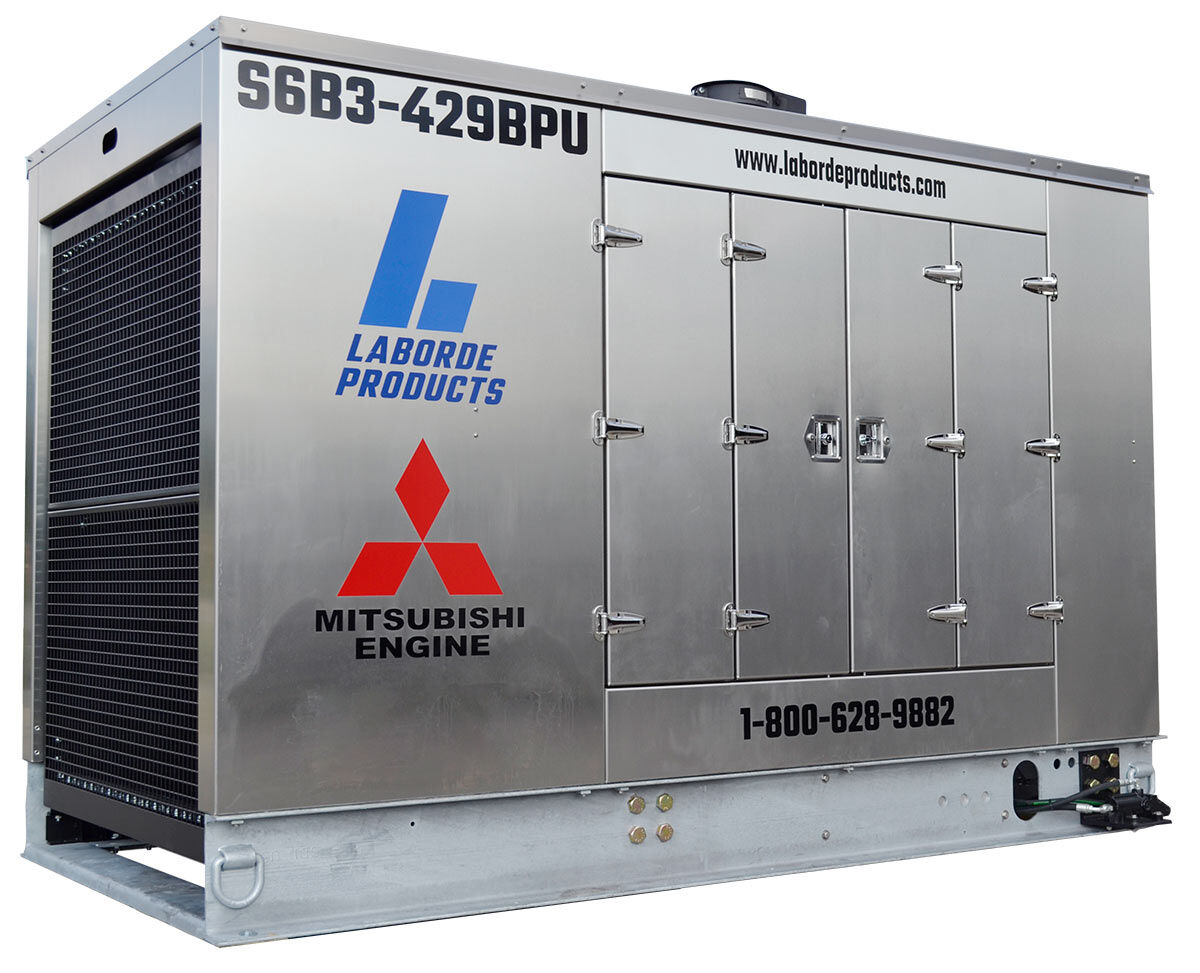
In barge service, durability is not just about horsepower. The engine has to handle continuous work, and the full unit has to stand up to corrosion, vibration, weather and regular handling. Operators should look at the engine rating, enclosure material, cooling package, hydraulic tank, skid, lifting eye, fittings, hoses, hardware and paint system.
A strong barge pump engine package may include corrosion-resistant materials such as stainless steel, galvanized components, sealed fittings and protective coatings. These details matter because small weak points can shorten the life of the whole unit.
Service access matters too. Crews and technicians need to inspect, maintain and repair the unit without fighting every bolt, hose or panel. A dependable barge engine should be rugged, but it should also be practical to work on.
How Do You Reduce Barge Pump Engine Downtime?
A barge pump runs better when maintenance is planned instead of delayed.
Downtime usually gets more expensive when operators wait for a failure. A scheduled maintenance plan gives crews a chance to inspect the unit, replace worn components, address corrosion, service the engine and correct small problems before they shut the job down.
For diesel engine pumps in marine service, downtime prevention often starts with the basics:
- Inspect hoses, fittings and belts
- Check for rust, corrosion and leaks
- Keep cooling components clean and working
- Watch for changes in engine performance
- Address damaged hardware before it gets worse
- Follow planned maintenance intervals
- Review the condition of the enclosure and skid
A barge pump does not need to look brand new every day, but it should be clean enough, accessible enough and maintained well enough to stay dependable.
What Helps Barge Pump Engines Run Better?
A barge pump engine runs better when the full package is maintained, not just the engine block.
The engine is the center of the unit, but the supporting parts do a lot of the work. Cooling, airflow, fuel supply, hydraulic components, fittings, hoses and corrosion protection all affect performance. When those systems are ignored, even a good engine can struggle.
A refresh can help extend the life of the unit by replacing worn parts, cleaning up corrosion, updating fittings and hoses, touching up protective coatings and making sure the unit is ready for more time in the field.
This is where barge pumps and engines should be treated as long-term working assets. If the structure is still sound and the engine still has life, a refresh may help operators get more value from the equipment before they move to full replacement.
Why Barge Pump Construction Matters
A barge pump has to be built for the environment it works in.
Inland river operations are tough on equipment. Moisture, weather and chemical exposure can wear down units that were not designed for marine service. That is why materials and construction details matter.
Features such as stainless steel enclosures, galvanized skids, stainless steel hydraulic tanks, corrosion-resistant coatings and protected fittings can help extend equipment life. These details are not flashy, but they make a difference after years in the field.
For operators comparing barge pump engines, it helps to look past the engine nameplate and review the whole build. The unit should be tough enough for the job, serviceable enough for the crew and supported enough to stay in service.
Why C1D1 Compliance Matters for Barge Pump Equipment
A barge pump used around flammable vapors has to be taken seriously.
C1D1 compliance refers to equipment designed for areas where flammable gases or vapors may be present. In barge operations, that can matter when auxiliary power units or pump engines are used around certain liquid cargoes.
This is not the place to guess or cut corners. Operators should understand the environment where the unit will run and make sure the equipment fits the safety requirements of the job.
A dependable barge pump engine should support the work without adding unnecessary risk for the crew, vessel or cargo operation.
How a Refresh Program Can Extend Barge Pump Engine Life
A barge pump refresh program can help operators get more years from equipment that is still worth saving.
After years in the field, a unit may look rough on the outside while the main structure and engine still have useful life. A refresh can address the wear items and outside damage that come with harsh service. That may include new hoses, fittings, hardware, paint touchups, inspection, cleaning and other maintenance work.
For operators trying to manage budget and downtime, this can be a practical middle ground. Instead of treating barge pump engines as disposable, a refresh gives the equipment a chance to keep working.
That approach works best when operators plan ahead. A 5-year or 10-year maintenance schedule can help identify what needs attention and when it should be handled.
Keep Your Barge Pump Ready for Work
A barge pump is too important to ignore until it fails.
With the right engine package, planned maintenance and dealer support, operators can keep barge pumps working longer and reduce the chances of unexpected downtime. The smartest move is to inspect the full unit, look at the condition of the engine and supporting components, and decide whether repair, refresh, rebuild or replacement makes the most sense.
Laborde Products supports barge pumps and engines built for demanding inland marine work, including auxiliary power units designed for long service life in harsh conditions.
Download our comprehensive maintenance flyer to learn more about Laborde Products' 5-Year and 10-Year Maintenance Plans and optimize the longevity and performance of your barge pump engine.