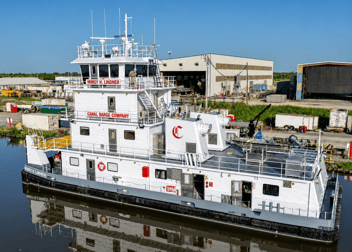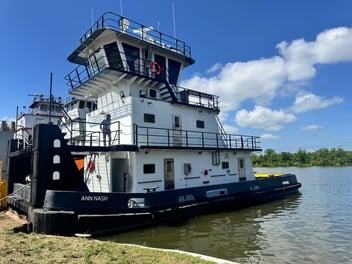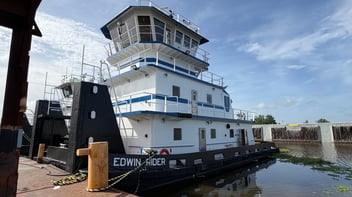
A triple screw setup is not for every vessel. Some boats do the job well with a single screw. Others are built around twin screw propulsion because it gives them the right mix of control, power and cost. But in heavy commercial work, there are times when a third engine and propeller can make a real difference.
For tugboats, workboats, offshore vessels and other demanding marine applications, triple screw propulsion can help spread load across three engines, improve maneuverability and add a layer of backup if one engine goes down. That does not mean operators should add complexity without a reason. It means a triple screw vessel deserves a serious look when the job requires power, control and reliability.
The right answer comes down to the vessel, the work, the engine package and the support behind it.
What Is a Triple Screw Vessel?
A triple screw vessel uses three engines driving three separate propellers.
The word “screw” refers to the propeller. So a single screw vessel has one propeller. A twin screw vessel has two. A triple screw vessel has three. In many commercial applications, that third engine and propeller can give the vessel more thrust, better acceleration and stronger control under load.
Triple screw vessels are often considered for demanding work where power and maneuverability matter. That can include towing, pushing, salvage, offshore support, dredging, commercial fishing and other jobs where crews need the vessel to respond with authority.
The setup is more involved than a single or twin screw layout, but the extra propulsion can be worth it when the vessel has to move heavy loads, work in tight spaces or stay dependable during long operating days.
What Are Triple Screws on a Ship?
Triple screw propulsion means a ship or workboat has three propellers moving the vessel through the water.
Each propeller is driven through its own propulsion line. Together, the three screws give the operator more ways to manage thrust, vessel movement and load. That can help in tight turns, dock work, towing, pushing and other situations where control matters as much as raw horsepower.
A triple screw ship can also offer useful redundancy. If one engine has an issue, the vessel may still be able to operate on the remaining two, depending on the situation and the job. That does not replace proper maintenance, but it can reduce the risk of a single failure stopping the whole operation.
For commercial crews, that backup can matter. Lost time on the water costs money, and a vessel that can keep working safely has real value.
How Is Propulsion Balanced on a Triple Screw Vessel?
Triple screw propulsion has to be balanced around power, control and how the vessel actually works.
A good setup does not just add a third engine and call it finished. The engines, gears, shafts and propellers need to work together. If the propulsion package is poorly matched, the vessel may burn more fuel, strain components or fail to deliver the handling operators expected.
Balance depends on several factors:
- Engine horsepower and torque
- Gear ratios
- Propeller size and pitch
- Vessel size and hull design
- Bollard pull requirements
- Operating speed
- Load profile
- Maneuvering needs
- Fuel burn
- Emissions requirements
- Service access
That is why engine selection matters so much. A triple screw vessel needs engines that can carry the workload without putting unnecessary stress on the propulsion system.
Which Is Better: Single Screw, Twin Screw or Triple Screw?
A triple screw setup is better only when the vessel’s work justifies the added power, control and complexity.
A single screw boat is simpler. It has fewer moving parts, lower equipment cost and a more straightforward maintenance plan. For some vessels, that is the right answer.
A twin screw boat gives operators more control and redundancy than a single screw. It is common in commercial marine work because it offers a strong balance between power, maneuverability and cost.
A triple screw vessel adds another level of thrust and backup. That can be valuable for heavy-duty towing, pushing, offshore work and other jobs where the vessel needs more pulling power or more precise handling under load.
The best setup depends on the job. Operators should not choose triple screw propulsion just because it sounds stronger. They should choose it when the vessel needs the extra capability.
Is a Triple Screw Vessel More Efficient Than a Twin Screw Vessel?
A triple screw vessel can be more efficient than a twin screw vessel in the right application.
The benefit comes from spreading the workload across three engines. With a properly matched propulsion package, three engines can share the vessel’s power requirements across the system. Depending on the application and operating conditions, that can help the vessel perform efficiently under load.
But efficiency depends on the full package. If the engines are oversized, poorly matched or running outside the best operating range, the vessel may not see the benefit. Fuel burn also depends on hull design, vessel speed, load, propeller match and how the crew operates the boat.
A triple engine boat can make sense when the added engine helps the vessel do its work with less strain and better control. It should still be evaluated against the cost, maintenance and space requirements of the third propulsion line.
How Does Engine Selection Affect Triple Screw Vessel Performance?
A triple screw vessel depends heavily on choosing the right engines for the job.
The engines have to deliver the right horsepower and torque, but they also need to fit the vessel, meet emissions needs and hold up under commercial duty. For operators running long hours, reliability and service access matter as much as the numbers on the spec sheet.
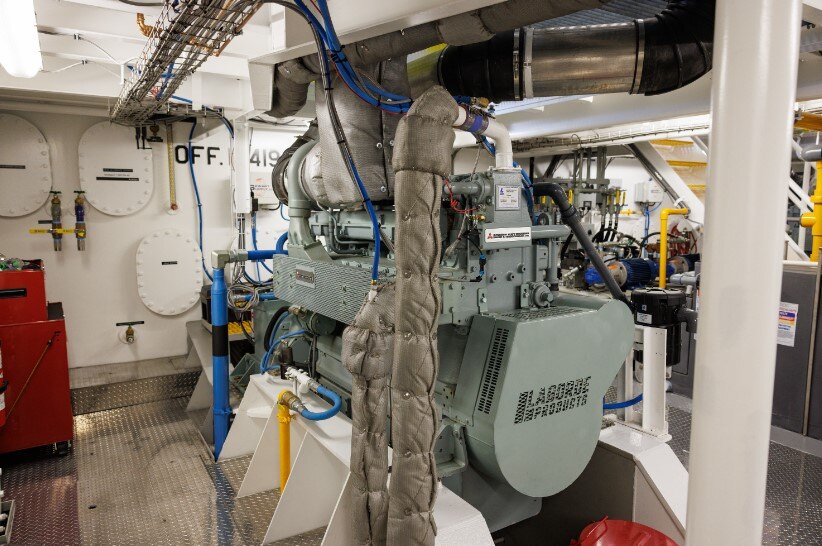
The Mitsubishi S6R2-Y3MPTAW is one example of an engine used in a triple screw tug application. In that kind of setup, operators have to look at bollard pull, fuel efficiency, emissions compliance, engine weight, footprint and long-term dependability.
A good engine choice helps the vessel pull, maneuver and work without putting unnecessary stress on the propulsion package. A poor match can create fuel burn problems, maintenance issues and performance that falls short of what the operator expected.
Why Bollard Pull Matters for Triple Screw Vessels
A triple screw vessel is often chosen because the operator needs strong pulling or pushing power.
Bollard pull measures how much force a vessel can generate when pulling against a fixed point. For tugboats and workboats, that number matters. It helps show whether the vessel has the muscle to tow, push or hold position under load.
For vessels designed around heavy towing or pushing, a triple screw configuration can provide the power and thrust needed to meet higher bollard pull requirements.
Still, bollard pull is not only about adding engines. The engines, gears and propellers all need to be matched correctly. The hull also has to support the job. A triple screw ship should be designed as a full working system, not a collection of parts.
Where Triple Engine Boats Make the Most Sense
Triple screw vessels make the most sense in commercial applications where power, control and redundancy are all important.
In commercial fishing, a triple engine boat can help crews handle heavy nets, changing loads and long days on the water. In tugboat and workboat service, the extra thrust can help with pushing barges, towing vessels and maneuvering in tight spaces. In offshore work, the added power and backup can help crews operate in rougher conditions or support longer projects.
Common applications may include:
- Tugboats
- Workboats
- Offshore support vessels
- Commercial fishing vessels
- Salvage vessels
- Dredging support vessels
- Heavy towing applications
- Vessels working in tight harbors or busy ports
Not every operation needs three engines. But when the job demands more thrust, tighter control and added backup, a triple screw layout can be a practical option.
What Operators Should Review Before Choosing Triple Screw Propulsion
A triple screw vessel should be planned around the job first.
Before choosing a propulsion package, operators should review how the vessel works every day. That includes route, load, towing needs, maneuvering requirements, fuel use, engine room space, maintenance access and emissions rules.
Important questions include:
- How much bollard pull does the vessel need?
- Will the third engine improve control or just add cost?
- Does the engine room have space for proper service access?
- Can the gears, shafts and propellers be matched correctly?
- Will fuel savings offset added maintenance?
- What emissions requirements apply?
- Is dealer support available for the selected engine package?
- How will the vessel operate if one engine goes down?
A triple screw vessel can deliver real benefits, but only when the layout matches the work.
Plan the Propulsion Package Around the Work
A triple screw setup can give commercial operators more thrust, better maneuverability and added redundancy when the job calls for it.
The key is planning the full propulsion system, not just counting engines. Operators should look at the vessel’s workload, bollard pull needs, fuel burn, emissions requirements, service access and long-term support before making the call.
Laborde Products helps commercial marine operators review engine options for triple screw vessels and connect with dealer support for the right application.